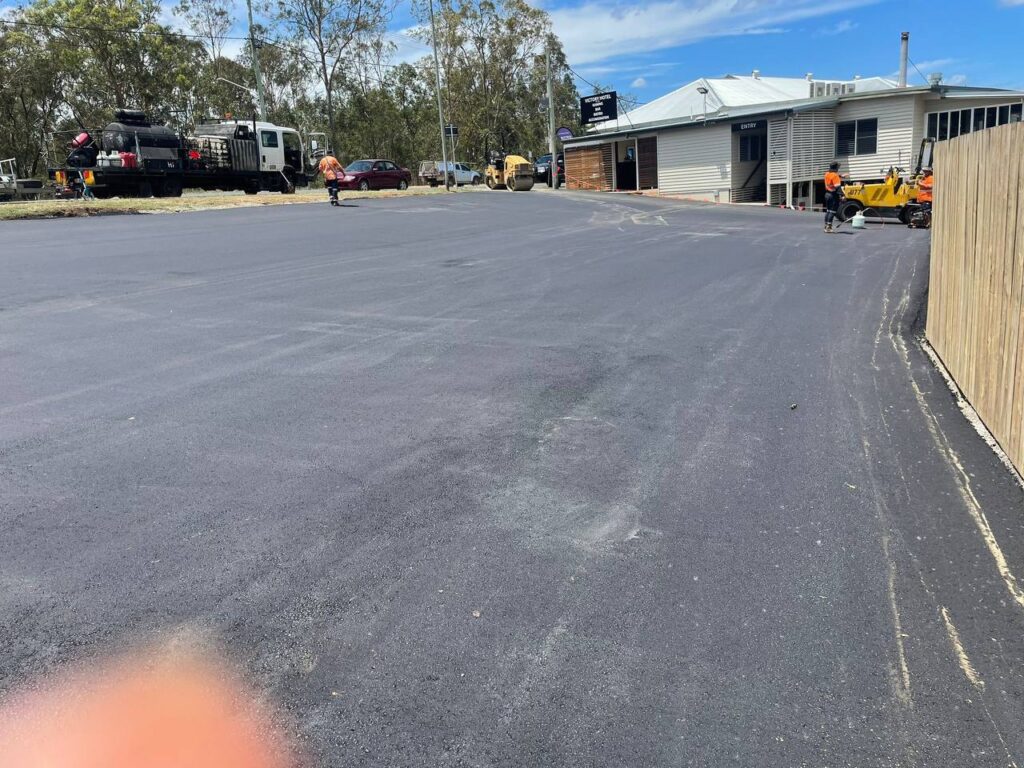
Uneven surfaces, potholes and widespread wear can all affect how a road performs, but they do not always call for the same treatment. The right option depends on the road’s surface type, the extent of the damage, drainage and the condition of the pavement beneath it. For property owners and site managers in Redcliffe, QLD, understanding these differences can help you decide when to arrange a professional assessment.
Which road treatment is appropriate?
Grading, patching and resurfacing address different types of road problems. Grading reshapes an unsealed surface, patching repairs localised damage, and resurfacing renews a broader area of a sealed road when the underlying pavement remains suitable.
When grading may be needed
Grading is generally used on unsealed roads to reshape the running surface. It may be appropriate when you notice corrugations, shallow ruts, loose material or a surface that has lost its camber and no longer sheds water effectively.
Grading can smooth and reshape the road, but it may not resolve deep structural problems. Persistent soft areas, significant erosion or poor drainage may require additional work to the base or water management.
When patching may be enough
Patching is usually suited to isolated defects in an otherwise sound sealed road. It may be considered when damage is limited to a small area, such as a pothole or a localised section of broken asphalt.
A sound repair should address loose or weakened material and the cause of the damage where possible. If water continues to enter the pavement or the base is unstable, a patch may not last as expected.
When resurfacing may be appropriate
Resurfacing may suit a sealed road with widespread surface wear, such as general deterioration, surface cracking or a rough finish, if the pavement beneath it is still stable.
An assessment should check for signs of deeper failure, including recurring potholes, soft spots, extensive cracking, depressions or water pooling. These issues may need repairs or drainage work before a new surface is applied.
Signs to look for
The condition and pattern of the damage can help indicate what the road may need:
- Corrugations and loose material on an unsealed road may point to grading.
- One or a few isolated potholes on a stable sealed road may call for patching.
- Broad surface wear across a sealed road may make resurfacing worth assessing.
- Repeated defects, soft areas or standing water may indicate underlying problems that need attention first.
These are useful indicators, but they cannot confirm the condition of the pavement base on their own.
Conclusion
Grading, patching and resurfacing each suit different road conditions. Grading reshapes unsealed surfaces, patching addresses localised damage, and resurfacing can renew a wider sealed area when the pavement remains sound. Redcliffe Surfacing Solutions can assess your road in Redcliffe, QLD, and discuss which asphalt or bitumen work is suitable for its condition.
Call us on: 07 3113 9873
Click here to find out more about Redcliffe Surfacing Solutions
Click here to complete our contact form and see how we can help with your driveway needs.