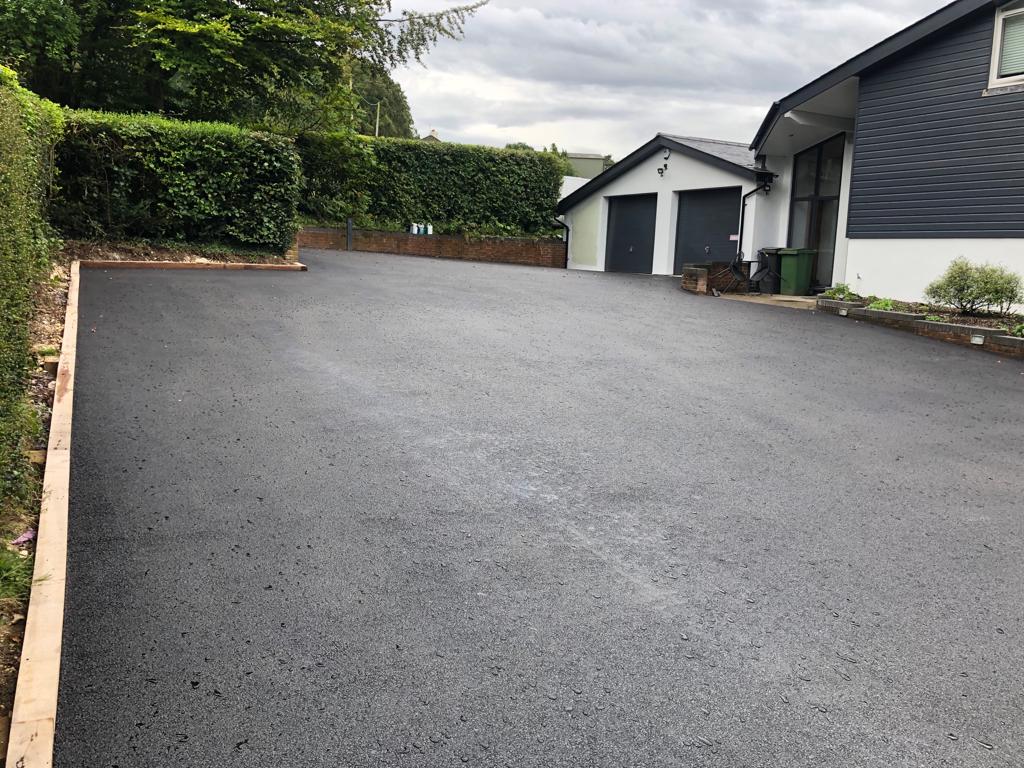
Road grading is one of the most important maintenance practices for keeping roads smooth, safe, and functional. In areas such as Redcliffe, QLD, regular grading helps maintain road condition by improving drainage, correcting uneven surfaces, and reducing long-term wear. Without proper grading, roads can quickly develop potholes, corrugations, water pooling, and other surface issues that affect both safety and usability.
At Redcliffe Surfacing Solutions, grading is treated as a critical part of maintaining durable and reliable road surfaces for residential, commercial, and access applications.
What Does Road Grading Involve?
Road grading is the process of reshaping and levelling the road surface to restore proper alignment and drainage. It is commonly performed on unsealed roads and also plays an important role during asphalt and bitumen surface preparation.
The grading process helps to:
- Smooth uneven sections of the road
- Redistribute surface material evenly
- Improve water runoff and drainage
- Remove minor surface defects before they worsen
Proper grading supports both the short-term usability and long-term durability of the road.
How Often Should Roads Be Graded?
There is no single schedule that suits every road. The frequency of grading depends on several factors, including traffic levels, weather conditions, surface type, and how the road is used.
In general, roads may require grading:
- More frequently in high-traffic areas
- After periods of heavy rainfall
- When potholes or corrugations begin to form
- If drainage problems become noticeable
- Before applying new asphalt or bitumen surfacing
For roads in Redcliffe, ongoing monitoring is important to identify when grading is needed before surface conditions deteriorate further.
Traffic Levels and Road Usage
One of the biggest factors affecting grading frequency is traffic volume. Roads exposed to regular vehicle movement, especially heavy vehicles, experience faster surface wear.
Frequent use can lead to:
- Surface rutting and uneven areas
- Corrugations forming over time
- Compaction issues in high-stress zones
- Accelerated surface deterioration
Roads with higher traffic demands typically require more regular grading to maintain smooth and stable conditions.
The Impact of Weather Conditions
Weather can significantly affect road surfaces, particularly when drainage is inadequate. Heavy rainfall may wash away material, create soft spots, or lead to water pooling that weakens the road structure.
Regular grading helps restore proper water flow and reduces the risk of:
- Erosion
- Potholes
- Surface instability
- Premature road failure
In Redcliffe, maintaining effective drainage is essential for preserving road performance over time.
Signs a Road Needs Grading
Knowing when to grade a road can help prevent more serious surface issues from developing. Common signs include:
- Rough or uneven driving conditions
- Visible potholes or depressions
- Corrugations across the surface
- Water pooling after rainfall
- Loose or displaced surface material
Addressing these issues early helps maintain safer and more functional road conditions.
Why Proper Grading Matters Before Surfacing
Grading is not only important for maintenance but also for new asphalt and bitumen projects. Before any surfacing is applied, the underlying base must be correctly shaped and compacted.
Proper grading before surfacing helps ensure:
- Better drainage performance
- Stronger support beneath the surface
- Improved asphalt durability
- Reduced risk of cracking and surface movement
Without this preparation, even quality asphalt surfaces may experience premature deterioration.
Long-Term Benefits of Regular Grading
Routine grading supports the overall lifespan and usability of roads by keeping the surface stable and properly aligned. Benefits of regular grading include:
- Smoother driving conditions
- Reduced maintenance requirements over time
- Improved drainage and water management
- Better preparation for future surfacing works
For property owners and businesses in Redcliffe, regular grading is an important part of maintaining dependable road access.
Conclusion
The frequency of road grading depends on factors such as traffic, weather, and overall road condition. Regular grading helps maintain smoother surfaces, improve drainage, and prevent larger structural issues from developing over time.
Redcliffe Surfacing Solutions provides grading and surfacing services designed to support long-term road performance throughout Redcliffe, QLD. If your road or access area is showing signs of wear, seeking professional advice is a practical step toward restoring a smoother and more reliable surface.
Call us on: 07 3113 9873
Click here to find out more about Redcliffe Surfacing Solutions
Click here to complete our contact form and see how we can help with your driveway needs.