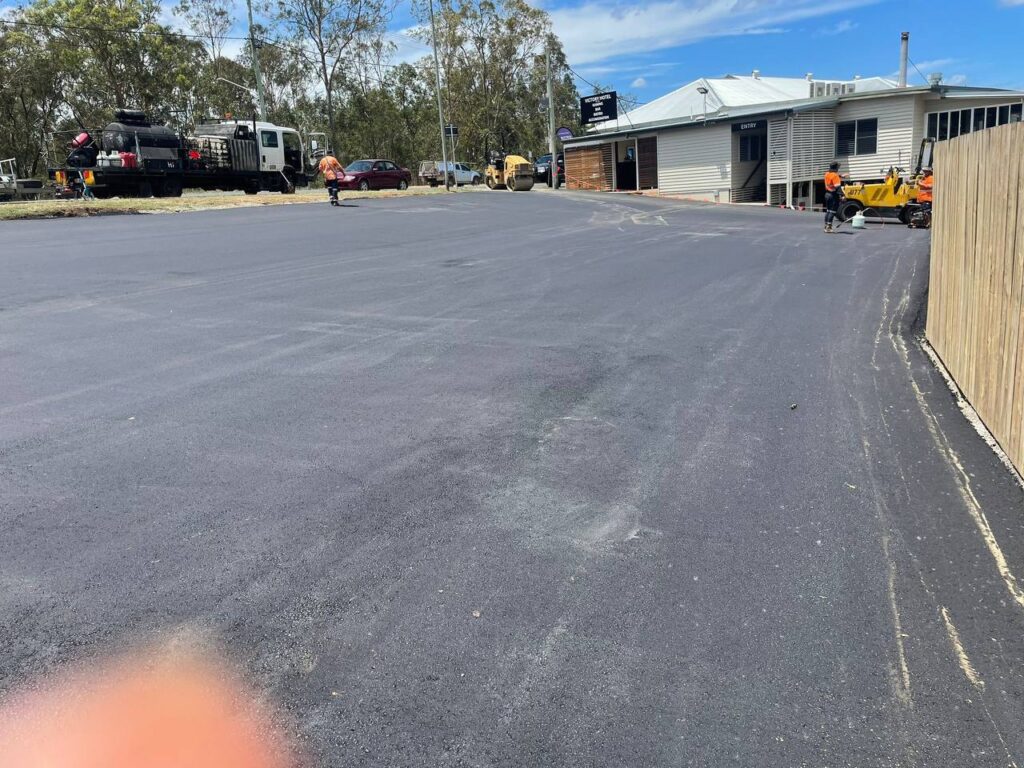
Asphalt is one of the most durable and reliable surfacing materials used for roads, driveways, car parks, and commercial areas. Its strength, smooth finish, and ability to handle regular traffic make it a popular choice for both residential and commercial properties. However, even the highest-quality asphalt surface will experience wear over time. Exposure to traffic, weather conditions, water, and natural ageing gradually affects its performance.
One of the most common questions property owners ask is how often asphalt should be resurfaced. The answer depends on several factors, including traffic volumes, environmental conditions, maintenance history, and the quality of the original installation. For property owners in Redcliffe, QLD, understanding the signs and timing of resurfacing can help maximise the lifespan and performance of asphalt surfaces.
What Is Asphalt Resurfacing?
Asphalt resurfacing involves applying a new layer of asphalt over an existing pavement that remains structurally sound. Rather than completely removing and replacing the pavement, resurfacing restores the surface layer while improving appearance, performance, and durability.
Resurfacing can address issues such as:
- Surface wear
- Minor cracking
- Fading and oxidation
- Shallow depressions
- Reduced ride quality
When completed at the right time, resurfacing can significantly extend the life of an asphalt pavement.
Is There a Standard Resurfacing Schedule?
There is no universal timeframe that applies to every asphalt surface. Some pavements may require resurfacing sooner, while others can continue performing effectively for many years.
The condition of the pavement is usually a more reliable indicator than age alone.
Factors influencing resurfacing frequency include:
- Traffic loads
- Vehicle types
- Drainage performance
- Surface maintenance
- Exposure to weather
- Quality of installation
- Pavement design
Regular inspections help determine the most appropriate timing for resurfacing.
Why Traffic Levels Matter
Traffic is one of the biggest factors affecting asphalt longevity. A residential driveway with occasional vehicle use will typically age differently from a commercial car park or access road that experiences constant traffic.
Higher traffic volumes place greater stress on the pavement, increasing wear on the surface layer over time.
Areas that regularly accommodate heavy vehicles may require resurfacing sooner than lightly used surfaces.
The Impact of Weather and Environmental Conditions
Asphalt surfaces are constantly exposed to environmental conditions. Heat, sunlight, rain, and moisture all contribute to the natural ageing process.
Over time, oxidation can cause asphalt to lose flexibility and become more susceptible to cracking. Water infiltration can further accelerate deterioration if surface defects are left untreated.
In Redcliffe, QLD, maintaining a protective surface layer is an important part of preserving pavement performance and extending service life.
Signs That Resurfacing May Be Needed
Rather than relying solely on age, property owners should look for visible indicators that resurfacing may be appropriate.
Common warning signs include:
Widespread Cracking
Small isolated cracks can often be repaired. However, when cracking becomes widespread across the pavement, resurfacing may provide a more effective long-term solution.
Surface Fading
As asphalt ages, it gradually changes from a rich black colour to a lighter grey appearance. Significant fading often indicates oxidation and surface ageing.
Water Pooling
Standing water can suggest drainage issues or surface depressions that may require resurfacing to restore proper surface levels.
Rough Surface Texture
A worn or uneven surface can reduce ride quality and indicate that the pavement is approaching the point where resurfacing should be considered.
Frequent Repairs
If the same surface requires ongoing patching and maintenance, resurfacing may offer a more practical way to restore overall pavement condition.
Why Timely Resurfacing Is Important
Waiting too long to resurface can allow minor issues to develop into larger structural problems.
Early resurfacing helps:
- Protect the pavement foundation
- Restore surface performance
- Improve appearance
- Reduce water infiltration
- Extend pavement lifespan
- Maintain safer driving conditions
Addressing wear before major structural deterioration occurs is often the most effective approach to long-term pavement management.
Can Every Asphalt Surface Be Resurfaced?
Not all pavements are suitable candidates for resurfacing. The underlying structure must remain stable and capable of supporting a new asphalt layer.
If significant base failure, severe deformation, or extensive structural damage is present, more comprehensive rehabilitation may be required.
A professional pavement assessment helps determine whether resurfacing is the appropriate solution.
The Importance of Routine Inspections
Regular inspections allow pavement issues to be identified before they become serious problems.
Professional assessments can identify:
- Early signs of deterioration
- Drainage concerns
- Surface wear
- Structural weaknesses
- Areas requiring preventative maintenance
This proactive approach helps property owners plan resurfacing at the optimal time.
Why Professional Assessment Matters
Every pavement is different. Factors such as traffic demands, site conditions, drainage performance, and previous maintenance history all influence resurfacing requirements.
Experienced asphalt professionals can evaluate the condition of the pavement and recommend the most suitable solution based on its current performance and future requirements.
This ensures resurfacing is carried out when it will provide the greatest long-term benefit.
Conclusion
There is no single answer to how often asphalt should be resurfaced because every pavement experiences different conditions and usage patterns. Rather than focusing solely on age, property owners should monitor their surfaces for signs of wear such as cracking, fading, roughness, water pooling, and increasing maintenance requirements.
For property owners and businesses in Redcliffe, QLD, regular inspections and timely resurfacing can help maximise pavement performance and longevity. Redcliffe Surfacing Solutions provides professional asphalt and bitumen resurfacing services tailored to the specific needs of each project. If your asphalt surface is showing signs of ageing or deterioration, seeking expert advice can help determine the most effective way to restore its condition and extend its service life.
Call us on: 07 3113 9873
Click here to find out more about Redcliffe Surfacing Solutions
Click here to complete our contact form and see how we can help with your driveway needs.