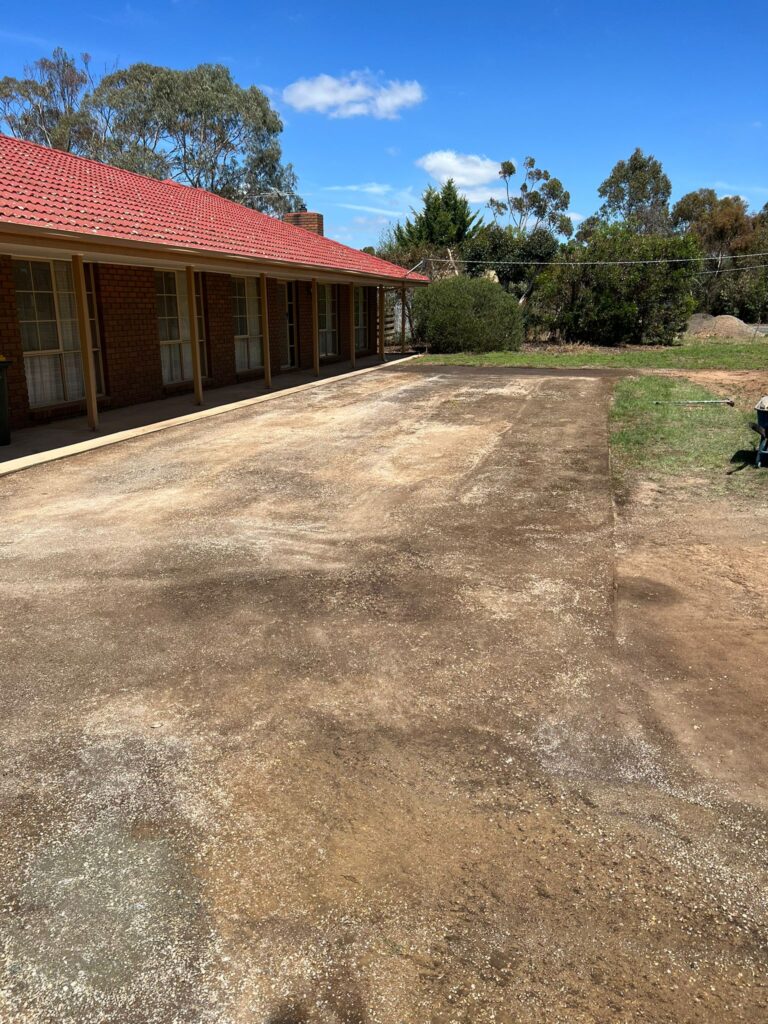
An asphalt surface rarely deteriorates uniformly. One section may remain relatively smooth while another begins fading, cracking or losing aggregate. Previous repairs can become increasingly noticeable, wheel paths may develop different textures, and low areas can gradually appear. The result is a surface that looks patchy and uneven rather than consistently finished.
For property owners in Redcliffe, QLD, these changes are worth investigating because they can reveal more than an appearance issue. Uneven deterioration can indicate differences in traffic loading, drainage, pavement support or the condition of the asphalt itself. Understanding the cause makes it easier to determine whether localised repairs, maintenance or resurfacing should be considered.
At Redcliffe Surfacing Solutions, we assess asphalt and bitumen surfaces based on their overall condition, helping identify why deterioration is occurring and what can be done to restore a more consistent pavement.
What Causes Asphalt to Develop an Inconsistent Appearance?
Several factors can make one part of an asphalt surface age differently from another.
Some areas experience considerably more vehicle traffic. Others receive concentrated turning or braking movements. Water may collect in particular sections, while previous repairs can have different ages and surface characteristics from the original pavement.
Common reasons for a patchy or uneven appearance include:
- General surface weathering
- Previous pothole repairs
- Repeated patching
- Uneven traffic loading
- Surface cracking
- Aggregate loss
- Depressions and settlement
- Poor drainage
- Localised foundation weakness
The pattern of deterioration often provides useful information about its underlying cause.
Weathering Can Change the Surface Gradually
Asphalt naturally changes as it remains exposed to traffic and environmental conditions.
Over time, the wearing surface can lose some of its original uniform appearance. Certain sections may become rougher or lighter than others, particularly where they experience different levels of use.
Weathering alone does not necessarily indicate serious pavement failure. However, if the surface is also becoming brittle, cracked or loose, further assessment may be worthwhile.
The important question is whether the changes are limited to the upper surface or are signs of deeper deterioration.
Previous Repairs Can Make Asphalt Look Patchy
A well-completed repair can restore a damaged section without requiring unnecessary work to the rest of the pavement. Because the repair material is newer than the surrounding asphalt, however, it may remain visually noticeable.
As more potholes and localised failures are repaired over time, the pavement can develop a patchwork appearance.
This does not automatically mean those repairs have failed. The more important issue is why so many separate areas have needed attention.
If new defects continually appear between previous patches, the overall wearing surface may be reaching a stage where broader maintenance or resurfacing deserves consideration.
Traffic Does Not Wear Every Area Equally
Vehicle movements can create very different levels of stress across the same pavement.
Straight sections may experience relatively consistent loading, while entrances, turning areas and frequently used wheel paths receive concentrated forces. Vehicles braking, accelerating or changing direction can place additional stress on the surface.
As a result, some sections can become rough or worn while neighbouring areas remain in better condition.
Understanding these traffic patterns is particularly important when deterioration repeatedly develops in the same locations.
Depressions Can Make the Surface Physically Uneven
A patchy appearance is sometimes accompanied by actual changes in pavement level.
Depressions may develop when supporting material beneath the asphalt settles or loses stability. Repeated vehicle loading can then increase the deformation.
Minor surface irregularities and significant structural movement are not the same problem, so the cause needs to be established before deciding on a treatment.
Simply placing new material over an unstable depression may not prevent it from returning if the underlying support remains inadequate.
Water Can Accelerate Localised Deterioration
Drainage is one of the first factors worth considering when particular sections of asphalt deteriorate faster than others.
Water may collect in low areas or enter through cracks and damaged pavement. Once moisture reaches the supporting layers, those materials can become less stable and provide inconsistent support for the asphalt above.
Signs that water may be contributing to uneven deterioration include:
- Recurring potholes in the same area
- Cracking around depressions
- Surface breakdown in low sections
- Water remaining on the pavement after rainfall
- Deterioration concentrated along pavement edges
Correcting the visible surface without considering how water moves across the site can leave an important cause unresolved.
Loose Aggregate Can Make Asphalt Look Rough and Worn
As the wearing surface deteriorates, aggregate can begin loosening from the asphalt.
Initially, the change may simply make certain areas appear rougher. As more material is lost, however, the surface can become increasingly open and vulnerable to further wear.
Traffic can accelerate the process by continually disturbing weakened material.
Where aggregate loss is widespread, the pavement should be assessed before deterioration progresses further.
Cracking Can Create Different Areas of Wear
Cracks allow different sections of pavement to begin behaving independently.
Moisture can enter through these openings, while vehicle loads can cause weakened crack edges to move and deteriorate. Over time, sections enclosed by cracking may begin breaking apart, producing an increasingly irregular surface.
A few isolated cracks may only require targeted attention. Extensive or interconnected cracking can indicate a broader pavement issue.
The type, location and extent of cracking should therefore be considered alongside the general appearance of the surface.
Isolated Repairs or Wider Resurfacing?
The appropriate treatment depends largely on how much of the pavement is affected.
If deterioration is limited to a small number of clearly defined areas and the surrounding asphalt remains sound, targeted repairs may be sufficient.
Resurfacing becomes more relevant when deterioration is widespread but the underlying pavement structure remains suitable. Necessary repairs can be completed first before a new wearing layer is applied across the treatment area.
This can restore a more consistent surface while protecting the serviceable pavement beneath it.
Resurfacing Should Not Hide Structural Problems
A patchy surface is not automatically a resurfacing candidate.
Where significant settlement, foundation instability or widespread structural movement is present, these issues need to be addressed before a new wearing surface is considered.
Asphalt resurfacing relies on suitable support underneath. If the pavement continues moving, defects can eventually affect the new surface as well.
Professional inspection is therefore an important first step rather than assuming that appearance alone determines the solution.
Why the Pattern of Damage Matters
Instead of looking only at the worst patch, consider where deterioration is occurring across the complete pavement.
For example, damage concentrated around an entrance may indicate traffic stress. Problems appearing in low areas may point towards drainage. Repeated failures along an edge could suggest insufficient support, while widespread weathering may indicate general deterioration of the wearing surface.
Reading these patterns helps identify why the pavement is becoming inconsistent and allows maintenance to be better targeted.
When Should You Arrange an Assessment?
Professional assessment is worth considering when the pavement is changing noticeably rather than simply showing normal minor wear.
Particular warning signs include:
- New patches continually being required
- Potholes beginning to appear
- Cracks spreading across larger areas
- Depressions becoming more noticeable
- Loose surface material increasing
- Water regularly collecting in damaged sections
- The pavement becoming progressively rougher to drive over
Acting while much of the existing pavement remains serviceable can provide more options for maintenance and restoration.
Restoring a More Consistent Asphalt Surface
The objective of professional pavement maintenance is not simply to make old asphalt look newer. It is to identify what is causing deterioration and select a treatment appropriate to the pavement’s actual condition.
At Redcliffe Surfacing Solutions, we assess asphalt surfaces throughout Redcliffe, QLD with attention to wear, cracking, drainage, pavement support and traffic demands. Depending on the findings, the appropriate approach may involve localised repairs, preparation of damaged sections or broader asphalt and bitumen resurfacing.
This condition-based approach helps ensure that work addresses the reasons behind the uneven surface rather than simply covering them.
Conclusion
An asphalt surface can become patchy and uneven for several reasons, including weathering, previous repairs, concentrated traffic, aggregate loss, cracking, drainage problems and movement within the supporting pavement. While some changes may be confined to the wearing surface, others can indicate that deeper deterioration is developing.
The most useful step is to determine why particular sections are changing before choosing a repair method. If your asphalt in Redcliffe, QLD is becoming increasingly rough, patchy or uneven, Redcliffe Surfacing Solutions can assess the pavement and recommend an appropriate approach. Contact our team to discuss professional asphalt repairs and resurfacing focused on restoring a reliable, consistent surface.
Call us on: 07 3113 9873
Click here to find out more about Redcliffe Surfacing Solutions
Click here to complete our contact form and see how we can help with your driveway needs.