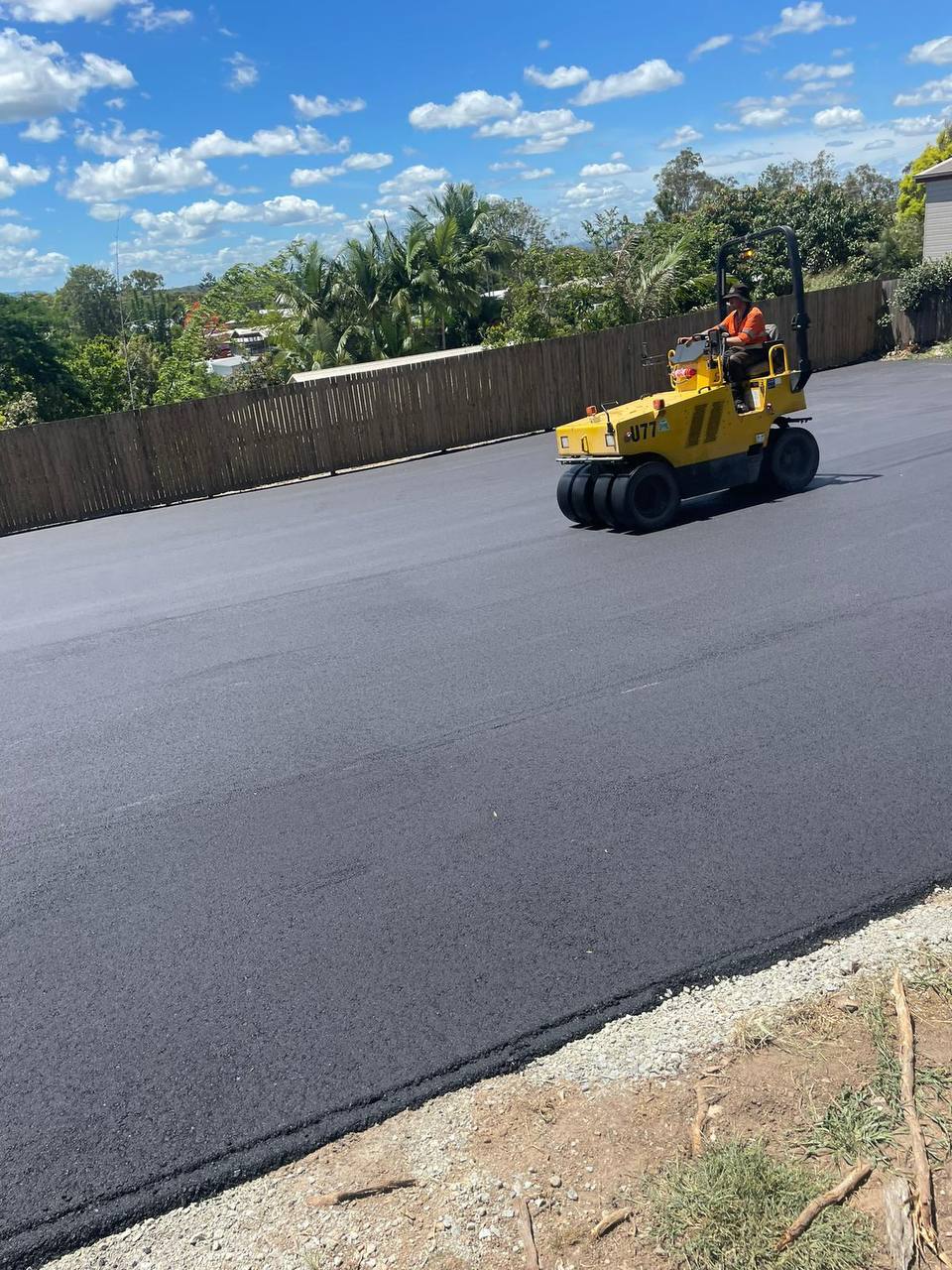
Choosing the right material for a driveway, access road, car park or commercial hardstand is an important decision. The finished surface needs to accommodate regular vehicle movements, provide reliable access and remain suitable for the demands placed upon it. Asphalt continues to be a practical choice for modern surfacing projects because it combines durability, flexibility and a consistent finish when installed over a properly prepared foundation.
However, the advantages of asphalt extend beyond its appearance. Its performance depends on the relationship between the asphalt mixture, supporting pavement layers, drainage and construction methods. When these elements are considered together, asphalt can provide a dependable surface for a wide range of residential and commercial applications.
For property owners and businesses in Redcliffe, QLD, professional asphalt surfacing offers an effective way to improve existing access areas or establish new paved surfaces. At Redcliffe Surfacing Solutions, we assess each project’s requirements to determine the preparation and surfacing methods needed for a durable, functional result.
What Makes Asphalt Suitable for Modern Surfacing?
Asphalt is produced by combining mineral aggregates with a bituminous binder. The aggregates provide strength and contribute to the material’s resistance to traffic, while the binder holds the mixture together and allows the pavement to accommodate limited movement.
Once laid and compacted, asphalt forms a relatively smooth, continuous surface.
Its suitability for modern surfacing projects comes from several practical characteristics:
- A consistent finish for vehicle movements
- Durability under appropriately designed traffic loads
- Flexibility within a properly constructed pavement
- Suitability for different residential and commercial applications
- The ability to incorporate suitable drainage falls
- Practical options for maintenance and resurfacing
- Reduced loose material compared with untreated ground
- A surface that can be designed around the intended use of the property
These benefits depend on correct preparation, suitable material selection and professional installation.
1. Asphalt Provides a Smooth and Consistent Surface
One of the most noticeable advantages of asphalt is the continuous finish it provides.
Uneven ground, loose stones and deteriorated pavement can make vehicle access less comfortable and less practical.
A professionally laid asphalt surface creates a more consistent area for driving, parking and manoeuvring.
This is particularly useful for properties where vehicles regularly travel along the same access routes.
A smooth surface can also improve the overall usability of driveways, commercial entrances and parking areas.
However, achieving this finish requires careful attention to grading, asphalt placement and compaction.
2. Asphalt Is Designed to Withstand Regular Vehicle Traffic
Modern surfacing projects often need to accommodate repeated vehicle movements.
Whether the surface is used for residential access or commercial operations, it must provide sufficient support for the expected traffic.
Asphalt is suitable for many of these applications because its aggregate structure helps distribute loads through the pavement.
The bituminous binder holds the mixture together and contributes to its ability to tolerate limited movement.
Why Does Pavement Design Matter?
A driveway used by passenger vehicles experiences different demands from a commercial area regularly carrying heavier vehicles.
The asphalt mixture, pavement thickness and supporting base should therefore be selected according to the intended use.
A properly designed pavement is better equipped to resist deformation, rutting and premature deterioration.
Simply installing asphalt without considering traffic requirements can leave the finished surface vulnerable to problems.
3. Asphalt Offers Flexibility Under Suitable Loading Conditions
Asphalt is commonly described as a flexible pavement material.
This means it can accommodate limited movement and distribute traffic loads through the supporting layers.
The flexibility of asphalt is useful because pavement structures experience repeated loading and environmental changes.
However, flexibility does not mean that asphalt can compensate for unstable ground.
If the road base or underlying material moves excessively, cracks and surface deformation can still develop.
A stable foundation remains essential for achieving reliable performance.
4. Asphalt Can Be Used Across Different Types of Properties
One of the reasons asphalt remains popular is its versatility.
It can be incorporated into a wide range of surfacing projects, provided the pavement is designed for the intended use.
Common applications include:
Residential Driveways
Asphalt can provide a smooth, practical surface for everyday vehicle access.
A properly prepared driveway can accommodate regular parking and vehicle movements while reducing the loose material associated with untreated ground.
Access Roads
Asphalt is suitable for many access roads where a consistent surface is required for repeated traffic.
Correct grading and pavement preparation help support reliable access.
Commercial Car Parks
A well-constructed asphalt car park can provide a continuous surface for vehicle circulation, parking and manoeuvring.
The pavement design should account for traffic frequency, turning movements and expected loading.
Commercial Hardstands
Asphalt may be suitable for certain hardstand applications where the pavement is designed for the vehicles and activities involved.
Areas experiencing concentrated loads or heavy turning movements require particular attention during planning.
The suitability of asphalt should always be assessed against the actual demands of the site.
5. Asphalt Helps Reduce Loose Stones and Surface Dust
Unsealed access areas can produce loose material as vehicles travel across them.
Repeated tyre movements may displace stones and finer particles, particularly during dry conditions.
Asphalt creates a bonded surface that helps contain the aggregate within the pavement mixture.
This can reduce loose surface material and dust generated directly from the travelled area.
For properties with regularly used entrances, driveways or access roads, this can make everyday maintenance and vehicle movements more manageable.
However, surrounding unsealed areas may still contribute dust or debris to the finished pavement.
6. Asphalt Can Be Constructed With Effective Drainage Falls
Drainage is an essential consideration in any modern surfacing project.
Rainfall should be directed away from the pavement rather than allowed to collect in depressions.
Asphalt can be laid to carefully prepared levels that provide a smooth surface while incorporating suitable drainage falls.
Why Is Correct Drainage Important?
Standing water can become problematic where cracks, damaged edges or other defects allow moisture to enter the pavement.
If water reaches the supporting layers, it can contribute to instability and deterioration.
Professional grading helps establish the required profile before asphalt is installed.
This is why drainage should be considered during the initial planning and preparation stages rather than treated as an afterthought.
7. Asphalt Can Improve the Functionality of Existing Areas
An older driveway or access area may become increasingly difficult to use because of uneven ground, potholes, loose material or repeated surface deterioration.
Where conditions are suitable, asphalt surfacing can help transform the area into a more consistent and practical pavement.
The improvement is not simply visual.
A properly constructed surface can provide more dependable vehicle access and reduce the irregularities associated with a deteriorated pavement.
Assessing the Existing Ground
Before new asphalt is installed, the condition of the existing area should be assessed.
If the supporting material is unsuitable, additional preparation may be necessary.
This can include removing weak material, grading, installing suitable road base and compacting the foundation.
The objective is to create a pavement that performs well rather than merely covering the existing ground.
8. Asphalt Can Be Maintained and Repaired
All paved surfaces experience wear over time.
Traffic, environmental exposure and changes within the supporting pavement can eventually lead to defects.
An advantage of asphalt is that suitable localised damage can often be repaired without replacing the entire surface.
Common maintenance work may include:
- Pothole repairs
- Localised asphalt patching
- Crack treatment
- Repairs to damaged edges
- Correction of isolated pavement failures
- Resurfacing of suitable existing asphalt
The appropriate method depends on the extent and cause of the deterioration.
Where the underlying pavement remains stable, localised repairs may help preserve the surrounding surface.
9. Existing Asphalt Can Sometimes Be Resurfaced
An ageing asphalt surface does not always require complete reconstruction.
If the pavement underneath remains structurally sound, resurfacing may provide a practical way to renew the wearing layer.
This can be particularly useful where the main concerns involve surface wear, ageing or minor irregularities.
Before resurfacing, however, contractors should assess the existing pavement for:
- Cracking
- Potholes
- Settlement
- Deep wheel rutting
- Drainage problems
- Weak pavement edges
- Previous repairs
- Signs of base instability
Any significant defects should be addressed before the new asphalt layer is installed.
Resurfacing is most effective when the existing pavement provides a stable foundation.
10. Asphalt Supports a Clean and Professional Property Appearance
The appearance of a driveway, access road or car park contributes to the overall presentation of a property.
A worn surface containing potholes, loose material or inconsistent levels can make an otherwise well-maintained area appear neglected.
Professionally installed asphalt provides a neat, continuous finish that can complement both residential and commercial settings.
However, appearance should never take priority over proper construction.
A smooth surface is only beneficial in the long term when it is supported by a stable pavement structure.
Why Is Professional Preparation Essential for Asphalt Surfacing?
The quality of an asphalt installation depends heavily on what happens before the finished material is laid.
A pavement may look smooth immediately after construction, but inadequate preparation can lead to deterioration as traffic begins using the area.
Professional preparation considers several important factors.
Ground Stability
The underlying material must be capable of supporting the proposed pavement.
Weak or unsuitable sections may require removal or improvement.
Road Base Construction
Suitable base material provides structural support and helps distribute vehicle loads.
The required construction depends on the expected traffic and existing ground conditions.
Grading
Correct grading establishes the finished profile and helps direct rainfall towards appropriate drainage areas.
Compaction
Compaction helps create a stable foundation and reduces the likelihood of unwanted settlement.
Asphalt Thickness
The asphalt layer should be appropriate for the pavement design and intended use.
These elements work together to support the performance of the finished surface.
How Does Professional Asphalt Installation Improve Durability?
Professional asphalt installation involves controlling the placement and compaction of the material.
The asphalt mixture must be suitable for the application and laid at the required thickness.
Rolling is then used to achieve the appropriate density and surface consistency.
Why Is Compaction Important?
Freshly placed asphalt contains spaces between its aggregate particles.
Compaction helps reduce these spaces and establish the density needed for the mixture to perform effectively.
Proper compaction contributes to:
- Resistance to deformation
- Improved aggregate interlock
- Reduced permeability
- A consistent finished texture
- Better performance under regular traffic
Insufficient compaction can leave the pavement more vulnerable to rutting, moisture penetration and premature wear.
Asphalt or Spray & Seal: Which Is More Suitable?
Asphalt and spray and seal bitumen are both practical surfacing methods, but they are constructed differently.
Asphalt is a mixture of aggregate and bituminous binder that is laid and compacted to form a continuous pavement layer.
Spray and seal involves applying bituminous binder to a prepared surface, followed by aggregate that is rolled into the binder.
Both methods can provide useful surfacing solutions when applied appropriately.
When Might Asphalt Be Preferred?
Asphalt may be suitable where the project requires:
- A continuous compacted wearing surface
- Regular vehicle parking and manoeuvring
- A pavement designed for particular traffic loads
- A smooth finish across driveways or commercial areas
- A new asphalt layer over a suitable prepared foundation
Spray and seal may be appropriate for other road and access applications, particularly where a protective aggregate wearing treatment is required.
The most suitable method depends on the pavement condition, intended use and expected traffic.
What Problems Can Affect an Asphalt Surface?
Although asphalt is durable when properly constructed, it can still develop defects.
Common issues include cracking, rutting, potholes, settlement and edge deterioration.
These problems can result from several factors, including:
- Weak supporting material
- Poor drainage
- Inadequate compaction
- Repeated heavy loading
- Ageing of the asphalt
- Water entering through existing defects
- Unsuitable pavement construction
Identifying the cause is important because surface repairs alone may not correct deeper structural weaknesses.
How Can You Maintain a New Asphalt Surface?
Routine observation and timely maintenance can help preserve the condition of an asphalt pavement.
Property owners should pay attention to developing cracks, standing water, potholes and changes in surface levels.
Damaged edges should also be monitored, particularly where vehicles regularly travel close to the pavement boundary.
When defects appear, early assessment can help determine whether localised repair is appropriate.
Maintaining effective drainage is equally important because repeated water penetration can contribute to deterioration of the supporting pavement.
Why Choose Professional Asphalt Surfacing in Redcliffe?
A successful asphalt project requires more than selecting a suitable material.
The contractor must consider how the area will be used, what traffic it will carry and whether the existing ground provides adequate support.
At Redcliffe Surfacing Solutions, we assess asphalt surfacing projects in Redcliffe, QLD, with attention to pavement preparation, grading, drainage and expected vehicle movements.
This helps determine the appropriate approach for new driveways, access roads, car parks and other paved areas.
Our focus is on creating practical asphalt surfaces that are properly prepared and suited to their intended purpose.
Conclusion
Asphalt remains a practical choice for modern surfacing projects because it combines a smooth finish, durability, flexibility and suitability for a wide range of applications.
When correctly designed and installed, it can provide dependable vehicle access for residential driveways, commercial car parks, access roads and other regularly used paved areas.
However, the quality of the finished surface depends on much more than the asphalt itself. Proper ground preparation, stable road base construction, suitable drainage, correct material selection and professional compaction are essential for achieving reliable performance.
For property owners and businesses in Redcliffe, QLD, Redcliffe Surfacing Solutions provides professional asphalt and bitumen surfacing, including new pavement construction, resurfacing and repairs.
If you are planning a new driveway, improving a commercial access area or considering resurfacing an existing pavement, contact Redcliffe Surfacing Solutions to arrange an assessment and discuss a suitable asphalt solution for your property.
Call us on: 07 3113 9873
Click here to find out more about Redcliffe Surfacing Solutions
Click here to complete our contact form and see how we can help with your driveway needs.